Pre-Purchase Survey Checklist for Used Sailboats
Buying a used sailboat? A thorough pre-purchase survey is crucial to uncover hidden issues and ensure your investment is sound. This checklist guides you through key areas to inspect.
Key takeaways
- Inspect the hull for cracks, blisters, and structural integrity
- Check standing rigging, sails, and deck hardware for wear or corrosion
- Evaluate the engine, electrical systems, and safety equipment functionality
Hull and Structural Inspection
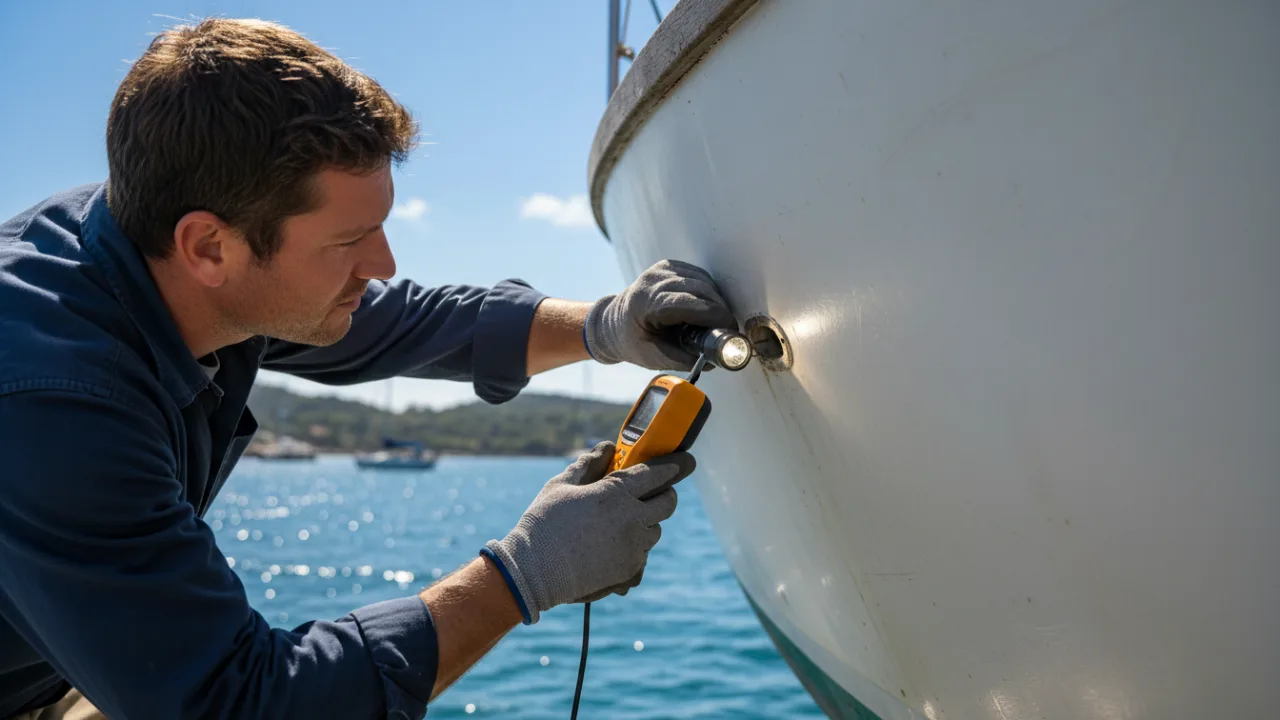
Start with a close examination of the hull. Look for signs of osmosis, such as blisters or soft spots, which can indicate water intrusion. Pay attention to the keel attachment and through-hull fittings for any corrosion or leaks. For specific models like the Allmand 35 Center Cockpit, review common wear areas documented by owners.
Rigging and Deck Components
The rigging is critical for sail performance and safety. Inspect shrouds, stays, and turnbuckles for rust or fatigue. Follow a detailed guide like how to inspect standing rigging step by step to ensure nothing is missed. Check sails for UV damage, stitching issues, and overall condition.
Engine and Systems Check
Test the engine by running it under load and listen for unusual noises. Verify that all electrical systems, including navigation lights and instruments, function properly. Don't forget to inspect bilge pumps and batteries. Accessories and spare parts listed on the accessories list might help you identify missing or upgraded components.
- Step 1Visual Hull InspectionExterior and interior for cracks, blisters, and alignment issues.
- Step 2Rigging AssessmentCheck wires, fittings, and sails for integrity and wear.
- Step 3Mechanical TestRun engine, test steering, and verify system operations.
- Step 4Documentation ReviewCompare survey findings with maintenance records and logs.
A meticulous survey today saves unforeseen costs and ensures safer sailing tomorrow.
Final Considerations
After completing your inspection, review all findings with a qualified marine surveyor if possible. Address any discrepancies with the seller and negotiate repairs or price adjustments based on the survey results. This proactive approach ensures you make an informed decision and enjoy your new vessel with confidence.